

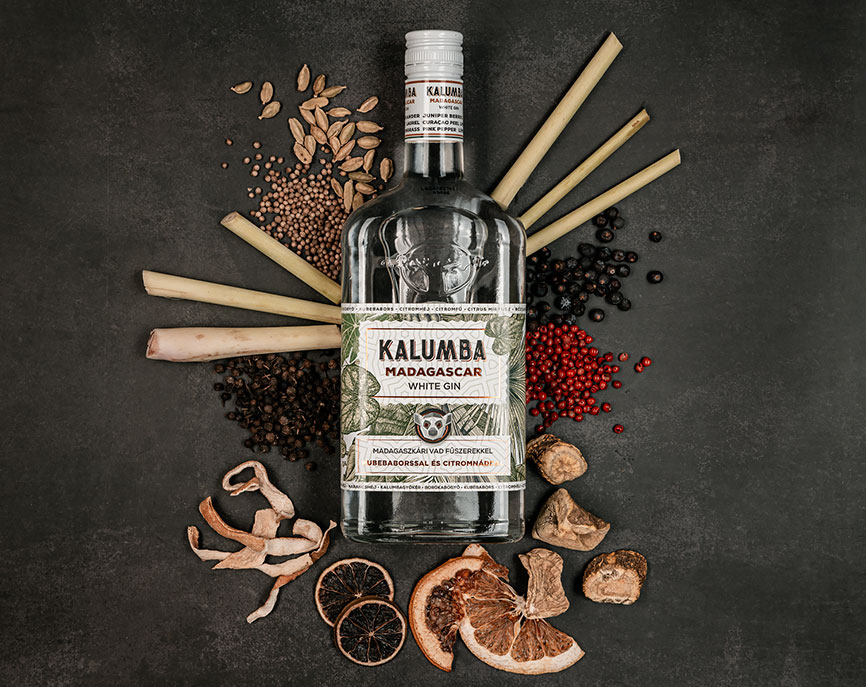
Madagascar, the home of Kalumba, is a land of exotic adventure, where the spice journey begins. This island, located in the Indian Ocean off the southeastern coast of Africa, is the fourth largest island in the world. Having separated from the ancient Gondwana continent early on, it developed an isolated and unique ecosystem.
Madagascar is home to both tropical rainforests and deciduous forests, as well as the driest regions featuring semi-desert spiny thickets. The island is known for its extraordinary biodiversity, with around 90% of its 10,000 plant species being endemic—meaning they are found nowhere else on Earth. This rich flora forms the foundation for the unique spices and herbs used in Kalumba.
Among the most iconic animals of Madagascar is the ring-tailed lemur, a species native to the island. The native language of the Malagasy people is Malagasy, which belongs to the Austronesian language family, and the other official language is French.
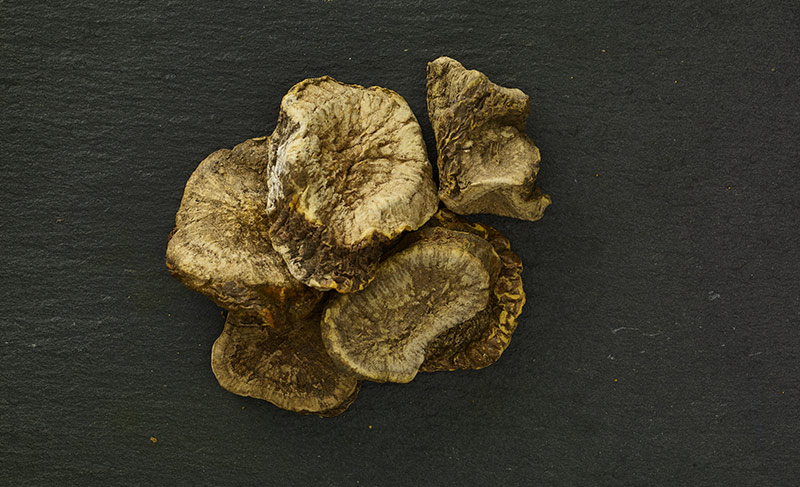
Kalumbagyökér, or Colombo root, is the namesake of Kalumba, an herbal and spice spirit developed by the Zwack family. The Kalumbagyökér is a fascinating plant with a rich history in both local folklore and medicinal use. Native to Eastern and Southern Africa, it belongs to the Jateorhiza genus of the Cucurbitaceae family. It is a woody, perennial climbing vine, and its roots are traditionally used in folk medicine for their digestive benefits.
Kalumbagyökér is well-known for its slightly bitter and tangy flavor, which primarily influences digestion and acts as an appetite stimulant. This herb is harvested by hand in the jungles of Madagascar, along with other spices used in Kalumba's creations. The meticulous selection and preparation of these herbs require a great deal of research and effort, and some of the herbs come from local plantations while others are sourced from wild areas.
The Kalumba spirits are crafted in the Zwack Distillery in Kecskemét, Hungary. After distillation, the Kalumba Spiced Gin matures in oak barrels with dried figs, while the Kalumba White, Mango, and Blood Orange varieties rest in steel tanks. Kalumba’s 17-spice blend in the Spiced Gin and the 20-plus herbs in the White, Mango, and Blood Orange varieties contribute to its distinctive flavors.
The brand’s connection to the unique biodiversity of Madagascar, particularly its use of Kalumbagyökér, exemplifies the Zwack family’s 200+ years of expertise in medicinal and aromatic herbs.
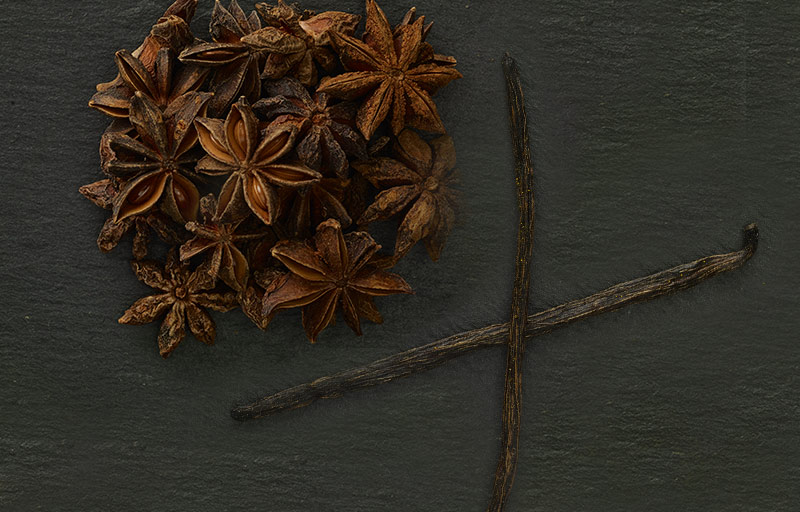
Madagascar Vanilla and Star Anise are two incredibly valuable and aromatic spices that play a key role in creating the flavor profile of Kalumba and other premium spirits.
Madagascar Vanilla is one of the most well-known and expensive spices, grown not only in the Bourbon Islands but also notably in Madagascar. The vanilla's sweet, rich flavor and signature Bourbon aroma give it a special place among spices. Its quality depends on cultivation conditions such as local climate, soil quality, sunlight, and harvest methods. Vanilla is often used in cooking, but it's also popular as an aromatic ingredient in liqueurs and other premium spirits.
Star Anise is a spice cultivated in the Southeast Asian region. The distinctive star-shaped fruits contain seeds rich in anethole, which is responsible for its unique sweet and slightly licorice-like flavor. This spice is widely used in cooking and is also a common ingredient in traditional medicine, known for its aphrodisiac properties.
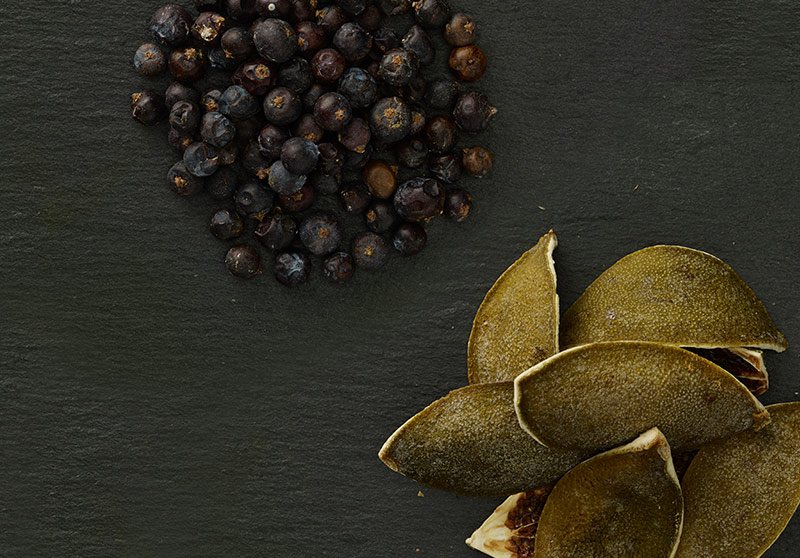
Cubeb Pepper (Kubebabors)
Cubeb pepper is an evergreen tree that can grow up to 5-12 meters. Every part of the plant contains essential oil, including the white or light yellow flowers, the pepper-shaped fruits, and the cubeb pepper itself hidden inside. The essential oil extracted from the fruit contains 29 active compounds. It is used in cosmetics, pharmaceuticals, and culinary applications. The flavor of cubeb pepper is pleasantly soft and slightly sour, making it a unique and versatile spice.
Lemongrass (Citronella)
Lemongrass is a widely grown spice in Asia, known for its subtle lemon flavor. The long stalks of this plant are typically used in cooking, either fresh, dried, or ground into powder. It is a popular ingredient in many Asian dishes, providing a mild yet refreshing citrus flavor.
Curaçao Peel
Curaçao is a type of citrus fruit whose fruit is green and bitter even when ripe, making it inedible. However, its leaves and peel are highly valued for their medicinal properties. The peel is used to make the well-known Curaçao liqueur, a popular alcoholic beverage with a unique, bittersweet flavor that has medicinal and aromatic benefits.
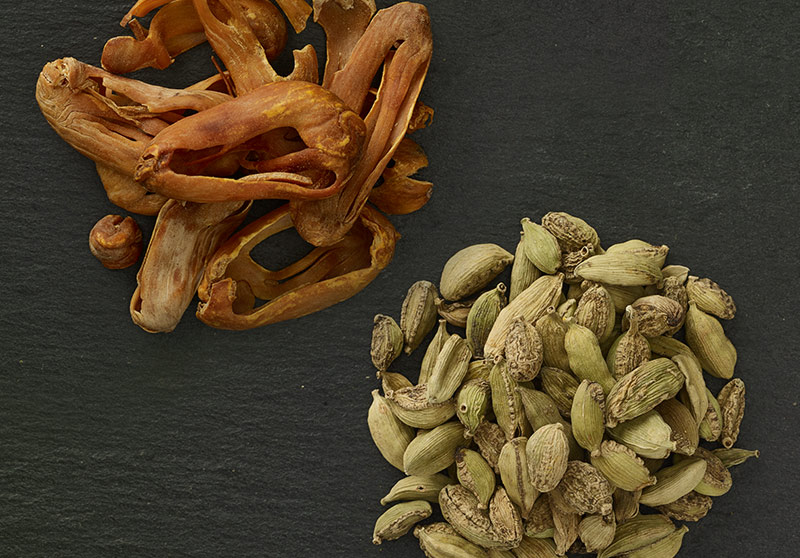
Nutmeg Flower (Szerecsendió-virág)
Nutmeg flower comes from the nutmeg tree, an evergreen plant that grows to 15-20 meters. The yellow, fleshy fruit, about 8-10 cm long, contains the seed, which is surrounded by a red aril known as the "nutmeg flower." This spice is pleasantly aromatic and strong in flavor. Its popularity is largely due to its essential oil, which contains myristicin as a major component, contributing to its unique scent and flavor.
Cardamom
Cardamom, belonging to the ginger family, has a mildly camphor-like scent and a sweet, spicy taste. The seeds contain several essential oils (such as cineole, camphor, limonene), sugars, starches, and other oils. Green cardamom is typically used in desserts, white cardamom in creams and sauces, while black cardamom is often used to season meats and vegetables, adding a distinctive, aromatic flavor to various dishes.


Kalumba White Gin with Madagascan Wild Spices, Cubeb Pepper, and Lemongrass
An exceptionally pure dry gin with a fresh, citrusy character.
The character of Kalumba White is built upon the combination of cubeb pepper and the highly popular cocktail ingredient, lemongrass.
The base flavors are complemented by lemon peel, orange peel, grapefruit peel, curaçao peel, citrus myrtle, rose pepper, and coriander. Of course, the gin’s namesake, calumba root, is also included.
Not only does it differ from Kalumba Spiced in its composition and flavor profile, but also in the production process. In Kalumba Spiced, the unique character of the gin comes from the distillation and extracts of medicinal and spice herbs, while in the White version, the spices themselves are used in their distilled form.
International Recognition:
-
World Spirits Award 2021 – Silver Medal
For consumption, we recommend serving it as a classic gin and tonic, with a few cubeb peppercorns added. The pepper enhances the citrus notes of the gin even more when infused in the drink.
Key Spices: Calumba root, cubeb pepper, lemongrass, juniper berries, lemon balm, orange peel, grapefruit peel, lemon peel, bay leaves, coriander, curaçao peel, nutmeg, nutmeg flower, turmeric, lime peel, cardamom.
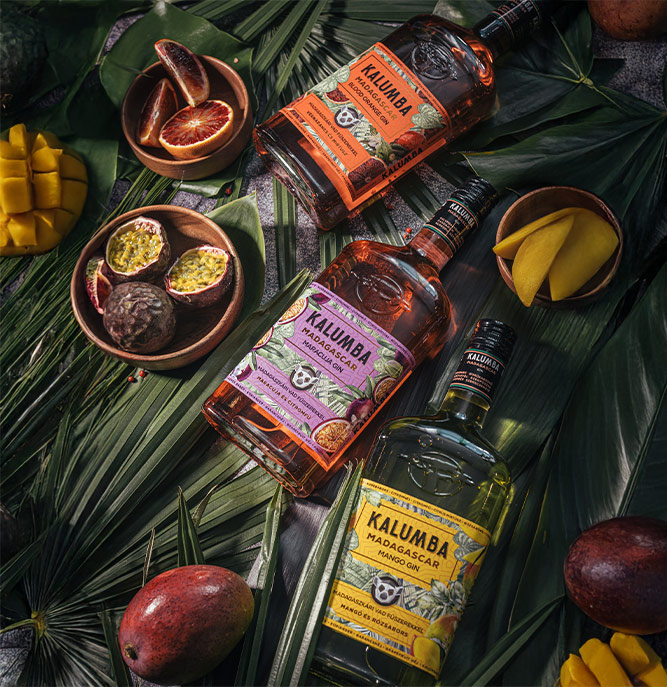
The new Kalumba flavors bring the natural taste profiles of wild spices, mango, and blood orange to life. Kalumba gins are crafted using Zwack's over 200 years of expertise in herbs and spices. They are distilled in small batches in traditional copper pot stills, ensuring the highest quality and attention to detail in every drop.

Mango and Pink Pepper Gin
A gin that evokes the tropics with the natural flavors of mango and pink pepper. Its unique character comes from wild-growing herbs and spices sourced from Madagascar and Africa. The defining spices include pink peppercorn, kalumba root, lime peel, ginger, cardamom, nutmeg flower, lemon peel, kubeb pepper, and juniper berries.
Enjoy it ice-cold on its own or as a refreshing gin and tonic!

Blood Orange and Myrtle Gin
A fresh, citrusy gin with the natural flavor of blood orange and myrtle distillate. Its unique character is derived from wild-growing herbs and spices from Madagascar and Africa. The key spices include citrus myrtle, kalumba root, grapefruit peel, orange peel, lemon peel, ginger, lemongrass, coriander, star anise, and juniper berries.
Enjoy it ice-cold on its own or as a refreshing gin and tonic!
PASSION FRUIT AND LEMONGRASS
Kalumba Madagascar gins are crafted using herbs and spices sourced from one of the world’s largest islands: Madagascar. These botanicals are what make Kalumba truly exceptional. Passion fruit, the hidden gem of the tropics, brings an exotic flavor profile, complemented by Madagascan spices and rounded off with refreshing lemongrass. The result is a gin waiting to be discovered! We recommend enjoying it as a gin & tonic.
Kalumba Madagascar gins are crafted using herbs and spices sourced from one of the world’s largest islands: Madagascar. These botanicals are what make Kalumba truly exceptional. Passion fruit, the hidden gem of the tropics, brings an exotic flavor profile, complemented by Madagascan spices and rounded off with refreshing lemongrass. The result is a gin waiting to be discovered! We recommend enjoying it as a gin & tonic.
