On the well-drained hillsides, slopes, and plateaus, air movement is frequent, providing excellent production security and minimizing the risk of significant frost damage. The average annual temperature is slightly lower than the national average, while precipitation levels are close to average. The ecological conditions allow for the production of excellent sparkling wine base wines through early harvests, and quality still wine grapes through late harvests.
The parent rock varies: loess in the Vértes foothills, granite in the Velence Hills, and the mountain blocks of the Buda Hills consist of limestone and dolomite. The valleys and basins between the blocks are filled with Oligocene sediments, marl, and loess. Soil types in the region include chernozem forest soils and clay-illuvial brown forest soils, often with high levels of active lime in certain areas.
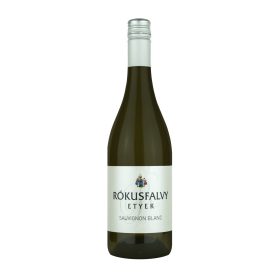
Currently, the most important grape varieties include Chardonnay, Olaszrizling (Welschriesling), Riesling, Sauvignon Blanc, and Grüner Veltliner. A significant portion of the region’s yield is still used for sparkling wine production. In addition, fresh, aromatic, reductive white wines with vibrant acidity are produced, especially in the Etyek and Tök subregions.